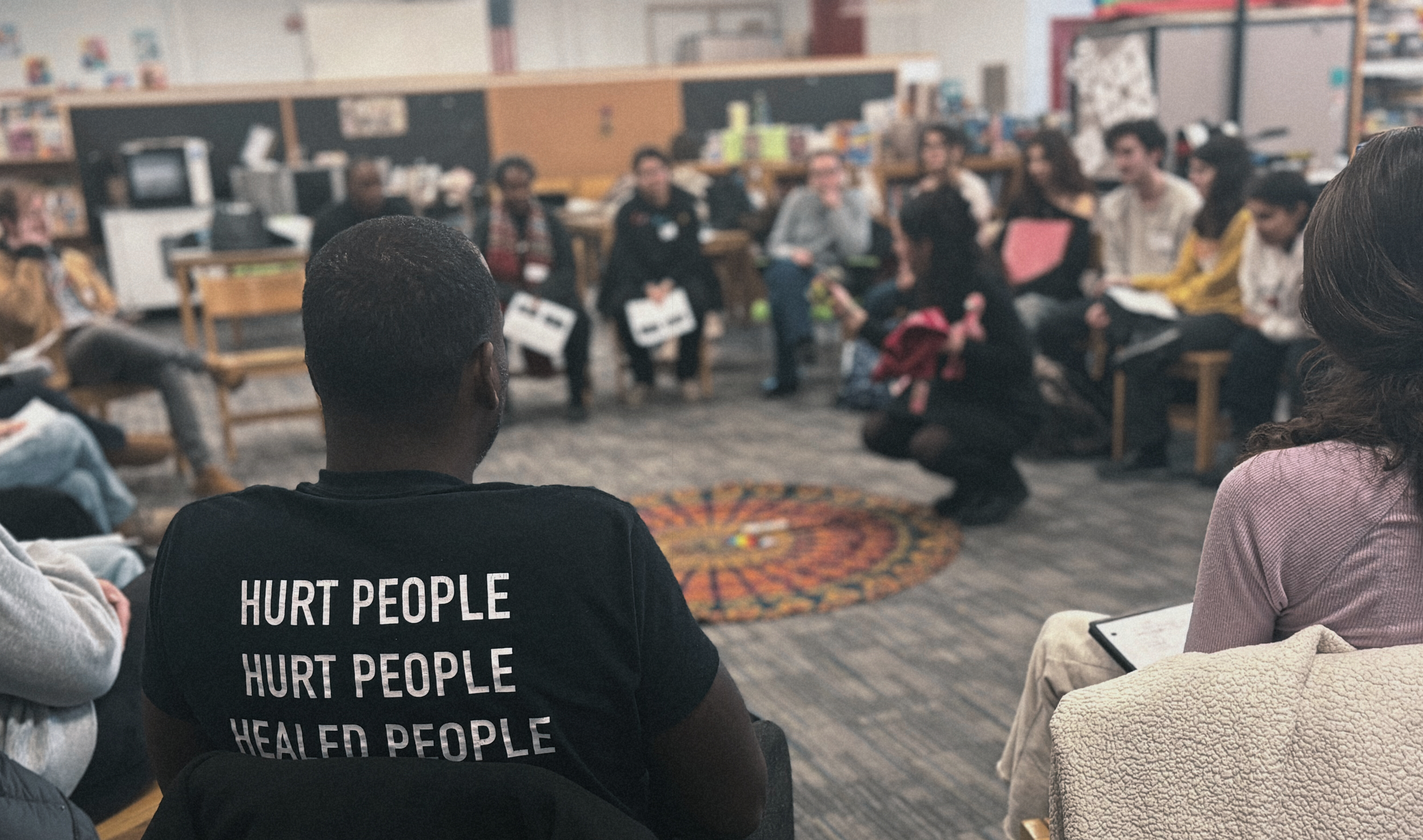
building community one circle at a time
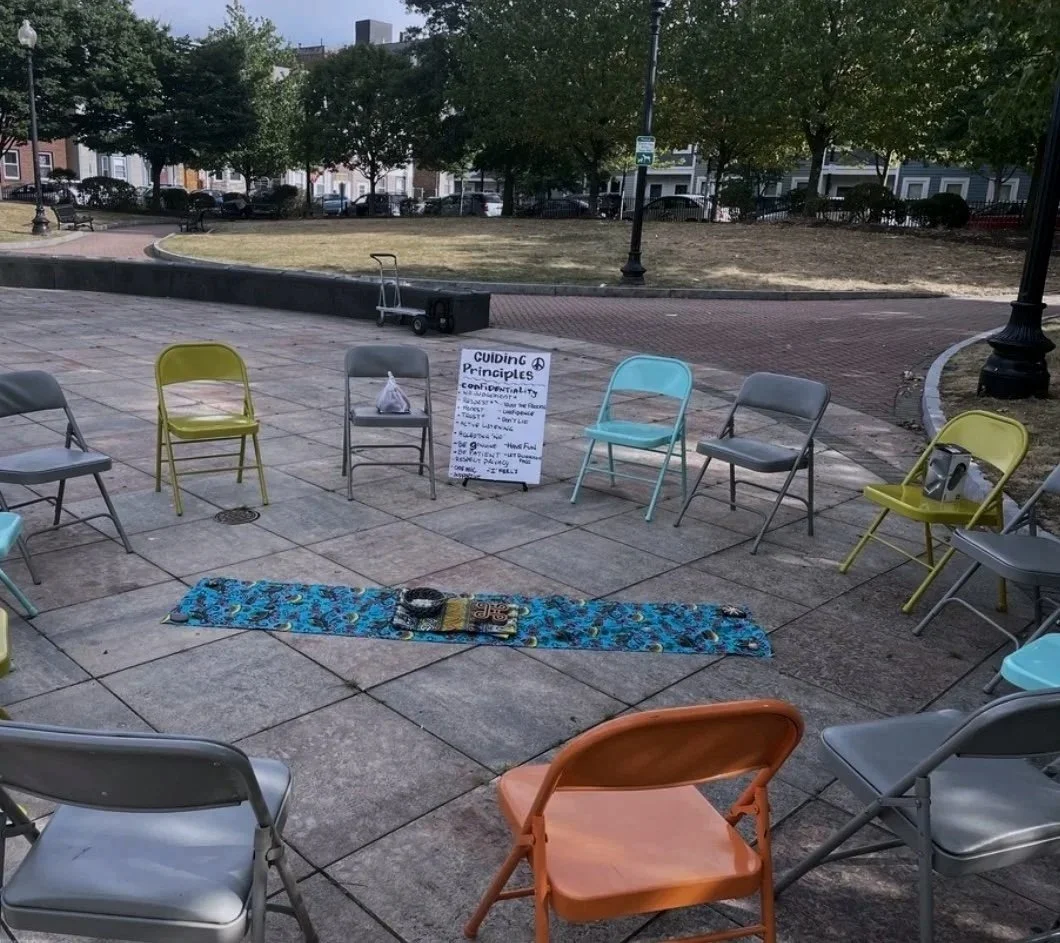
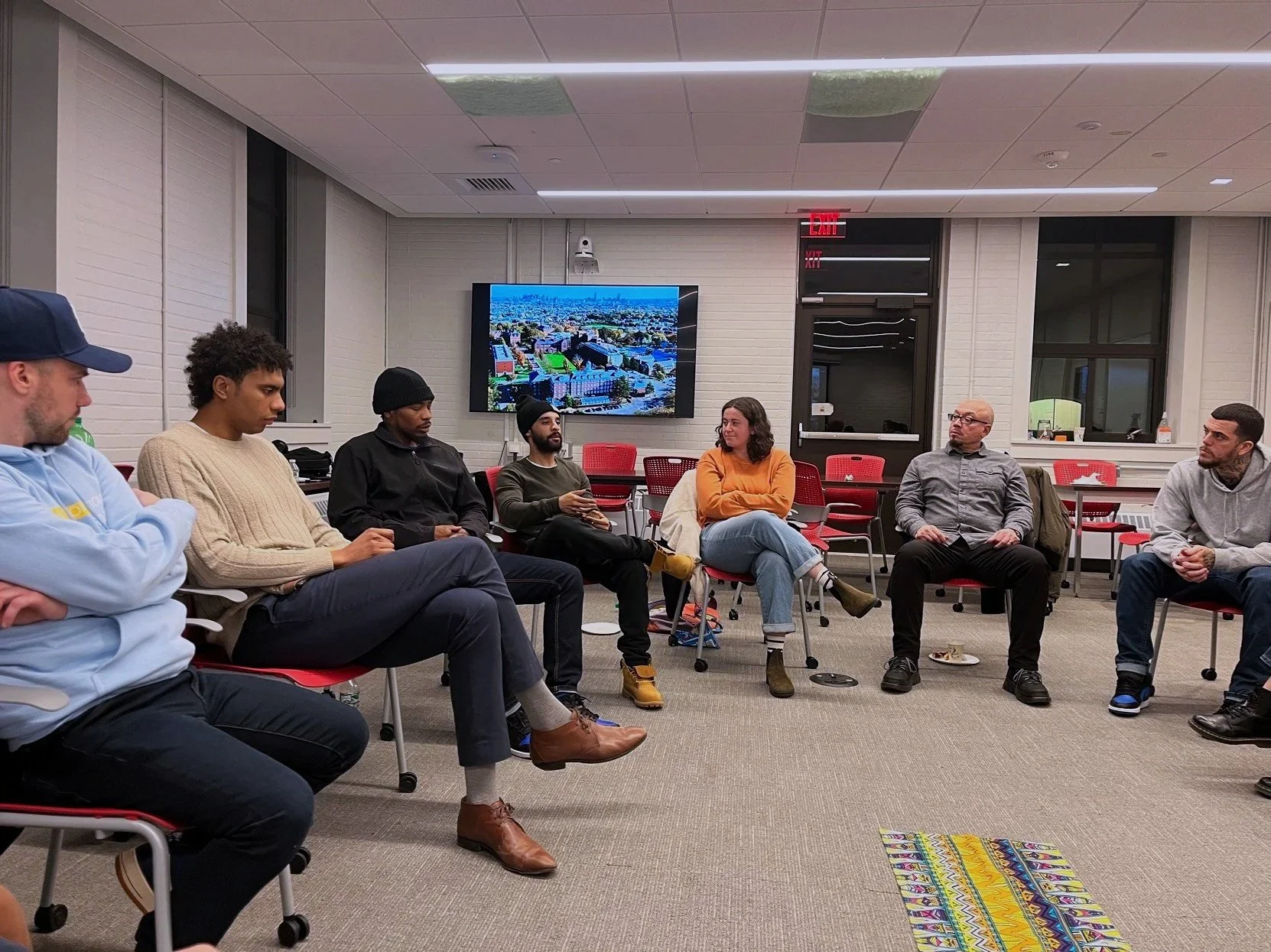
phase trainings
Restorative Justice is a paradigm grounded in relationships and a set of practices to address harm, conflict and strengthen communities.
TPP offers two levels of RJ Training:
Phase 1 for individuals seeking to learn more about RJ in general, and Phase 2 for those interested in becoming RJ facilitators themselves.
Phase Trainings
-
This 12hr/6-week intensive training is designed for individuals who want to learn about restorative justice principles and practices. Restorative justice is a paradigm grounded in relationships and a set of practices to address harm, conflict and strengthen communities. In this training, we will explore restorative approaches to harm. The training will offer an understanding of the following concepts and skills.
Where/Location: Zoom
Objectives: In this Training, participants will:
• Acquire an In-depth understanding of Restorative Justice and the Transformational Prison Project’s (TPP’s) philosophy, methodology and facilitation model
• Learn the various restorative justice philosophies and various types of peacemaking circles
• Acquire an understanding of restorative justice and its responsibility to racial justice
• Achieve the opportunity to move onto the Phase II Restorative Justice and Facilitation Training -
While facilitation training is a continual life long process, this 12hr/6 week intensive training is designed for individuals to begin the process of acquiring facilitator skills which can be utilized in the following areas but are not limited to: community settings, schools, colleges, carceral facilities, etc. The facilitation training is an opportunity for participants to evaluate and build on their ability to facilitate. Good facilitation in any setting is an art form and a specific set of skills grounded in principles. Within the circle, facilitators have subject expertise, the ability to relate to others in a trauma–informed manner, know how to mine what is under the surface of what is being said, understand how to gauge their environment, know how to constructively engage the conflict in the room. Outside the circle, a facilitator should have an analysis of power that informs everything from design to delivery, a reflective practice to assess their own effectiveness, and the ability to build strategic partnerships. This is a small subset of the many skills needed to be effective.
-
○ Phase I = $500 per participant
○ Phase II = $1,000 per participant
○ Limited scholarship spots available for community-based providers, formerly incarcerated
individuals, and individuals from historically impacted communities.
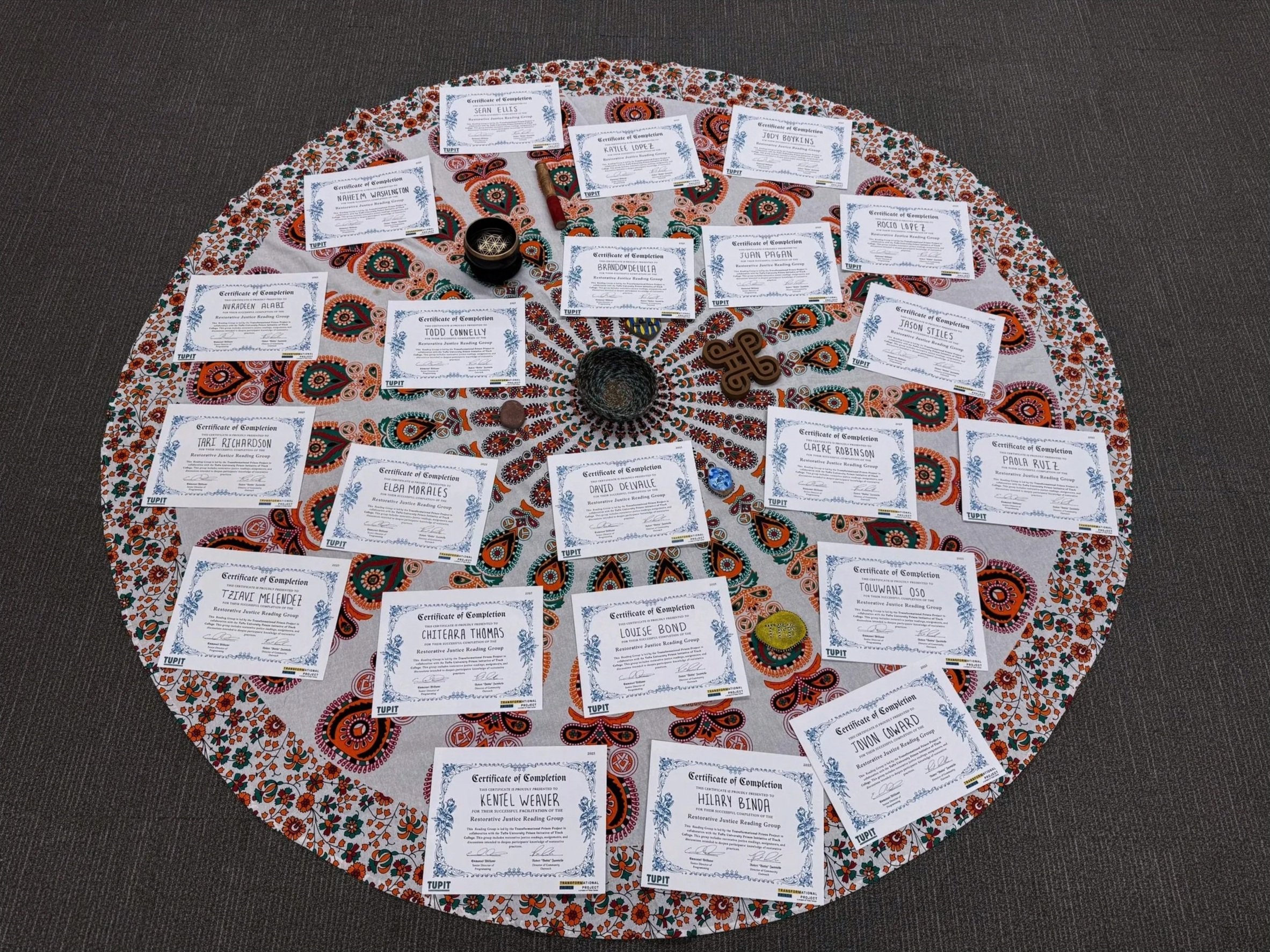
“[rj] didn’t feel divorced from reality, you know, it just felt pretty real. We were all talking about ourselves, It wasn’t theoretical stuff. It was like, “here’s my life, there you go.” And so, I felt like that held a lot of meaning for me…I think some of the ways that you guys led this circle was…some of my biggest takeaways was how to show up in a room for people who don’t really know each other and make things work for them.”
— Former Phase I Participant